X

Mouth Taping-Good or Bad Idea?

Is mouth taping while you sleep good or bad? Well, that depends on why you are mouth breathing and snoring. Before deciding if you should mouth tape while you sleep, it’s important to understand the root cause of why you are mouth breathing and snoring at night.

When mouth taping is bad

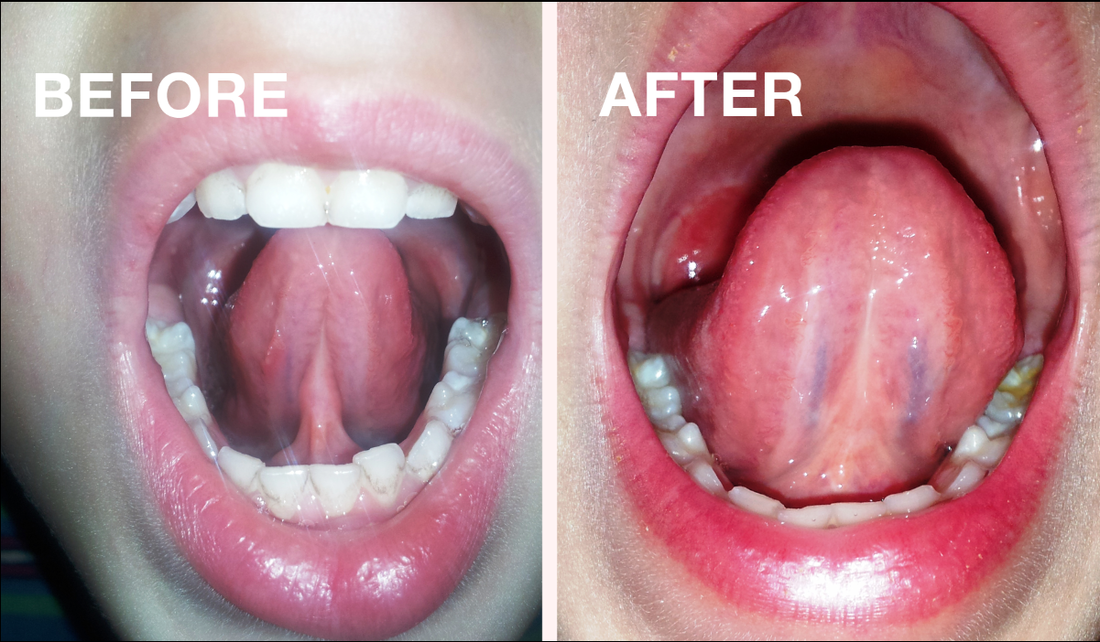
Many times, snoring and mouth breathing while sleeping are caused by having an obstructed airway. You may have enlarged tonsils, enlarged adenoids, poor tongue posture, or a mouth that doesn’t have enough room for your tongue to stay on your palate and out of your airway. If you tape your mouth while you sleep when you have a functional problem preventing proper nasal breathing at night, you will be forcing yourself to breathe out of an obstructed airway. If there is a functional reason why you are mouthbreathing, that means you are mouthbreathing out of necessity. In these cases, mouth taping will not correct these problems and is not advisable.

Root cause of snoring and mouthbreathing

If you snore at night and mouth breathe, an assessment by a myofunctional therapist and airway-focused dentist can help determine the root cause of these issues. Often, a combination of expansion and myofunctional therapy can train the tongue to posture on the roof of the mouth with light suction, greatly improving or resolving these issues.

When mouth taping is good

Once you’ve addressed any functional problems leading to nighttime snoring and mouthbreathing, mouth tape can be used as a gentle reminder to seal your lips and nasal breathe while sleeping. Mouth tape should not be needed long-term. If it is, that likely means you still have functional problems that need to be addressed.

Our approach to fixing mouthbreathing

At TMJ Sleep & Breathe Center in Vienna, VA, Dr. Gary Adams and our Orofacial Myologist Maria, use a team approach to identify root cause issues and treat patients with mouth breathing, TMJ, and sleep issues. Usually, the treatment consists of identifying functional airway problems and treating them with myofunctional therapy, as well as the use of expanders to make more room in the mouth for the tongue.

Why not to remove tonsils and adenoids-alternative treatments to tonsillectomy

This article discusses why treating the underlying cause of inflammation in tonsils and adenoids makes more sense than surgical removal. When tonsils and adenoids become inflamed or enlarged, they can cause a host of problems, such as difficulty breathing, chronic sore throats, and even pediatric sleep apnea. While surgical removal, or tonsillectomy and adenoidectomy, has traditionally been a common treatment, a growing body of evidence suggests that treating the root causes of inflammation is a better approach.

Effective treatments such as myofunctional therapy, palatal expanders, and various medicinal approaches can reduce swelling and inflammation and often preserve these crucial components of our immune system. Tonsils and adenoids are our first line of defense against bacterial and viral infection and we need these organs for the rest of our lives.

Additionally, removing tonsils and adenoids does not correct the original underlying cause of breathing and sleeping problems. Rather tonsillectomy is treating a symptom (swelling and tonsillar enlargement). Usually root cause problems such as poor nasal breathing, poor tongue posture, allergies and possibly others cause tonsils and adenoids to enlarge.

Understanding the Role of Tonsils and Adenoids

Tonsils and adenoids are vital parts of the immune system. They act as the body’s first line of defense against bacteria, viruses, and other pathogens that enter through the nose and mouth. By capturing and neutralizing harmful invaders, they play an essential role in keeping us healthy, especially during childhood when the immune system is still developing.

Surgical removal of these structures can compromise this defense system, potentially leading to long-term health issues. Therefore, preserving the tonsils and adenoids whenever possible is critical, making it essential to address the underlying causes of inflammation rather than opting for immediate removal.

Common Causes of Inflammation in Tonsils and Adenoids

Understanding why tonsils and adenoids become inflamed is key to treating the problem effectively. Some of the most common causes include:

  • Chronic mouth breathing: Often due to nasal obstruction, allergies, or poor oral habits, mouth breathing can cause the tonsils and adenoids to become enlarged.
  • Recurrent infections: Viral and bacterial infections can lead to chronic inflammation.
  • Allergies: Environmental allergens may trigger inflammation in these tissues.
  • Poor oral posture: This often stems from habits such as thumb sucking or tongue thrusting.

By addressing these underlying issues, we can often reduce or eliminate the need for surgical intervention.

Myofunctional Therapy: Addressing Mouth Breathing and Oral Posture

One of the most effective ways to treat the underlying causes of inflamed tonsils and adenoids is through myofunctional therapy. This therapy involves exercises designed to strengthen the muscles of the mouth, tongue, and face. By improving oral posture and encouraging nasal breathing, myofunctional therapy can significantly reduce the stress on the tonsils and adenoids.

Benefits of Myofunctional Therapy:

  • Improved breathing: Transitioning from mouth breathing to nasal breathing reduces the risk of tonsil and adenoid inflammation.
  • Corrected oral posture: Proper tongue positioning prevents habits that contribute to chronic inflammation.
  • Enhanced airway development: Strengthening the muscles around the airway improves airflow, which can alleviate sleep apnea symptoms.

Studies have shown that myofunctional therapy can be particularly beneficial for children with sleep apnea, as it targets the root cause rather than just the symptoms.

Palatal Expanders: Creating Space for Better Breathing

For children with narrow palates or crowded teeth, palatal expanders can be an excellent non-surgical option. These devices gradually widen the upper jaw, creating more space in the nasal cavity and airway. This not only improves breathing but also reduces the likelihood of chronic inflammation in the tonsils and adenoids.

Advantages of Palatal Expanders:

  • Improved airflow: A wider palate provides more room for air to pass through the nasal passages.
  • Reduced mouth breathing: By addressing structural issues, palatal expanders encourage nasal breathing.
  • Support for proper tongue posture: A broader palate allows the tongue to rest in its natural position, reducing strain on the tonsils and adenoids.

Palatal expansion is a simple, effective treatment that can help resolve underlying issues without the need for surgical removal of tonsils and adenoids.

Homeopathic and Allopathic Medicines for Tonsil and Adenoid Health

Medicinal approaches can also play a significant role in managing tonsil and adenoid inflammation. Both homeopathic and allopathic (traditional medical) treatments offer valuable tools for addressing infections, allergies, and other causes of inflammation.

Homeopathic Remedies:

Homeopathy focuses on natural, individualized treatments that support the body’s ability to heal itself. Some common remedies for tonsil and adenoid issues include:

  • Belladonna: Effective for acute inflammation and swelling.
  • Calcarea carbonica: Useful for enlarged tonsils, especially in children with chronic mouth breathing.
  • Baryta carbonica: Often recommended for recurring tonsillitis and swollen adenoids.

By stimulating the body’s natural defenses, homeopathy can help reduce inflammation and prevent recurrent issues.

Allopathic Treatments:

Traditional medicine also offers effective treatments for tonsil and adenoid inflammation, such as:

  • Antibiotics: For bacterial infections, antibiotics can quickly reduce swelling and discomfort.
  • Steroid nasal sprays: These can help shrink swollen adenoids by reducing inflammation.
  • Antihistamines: For children with allergies, antihistamines can alleviate symptoms and prevent further irritation.

Both homeopathic and allopathic approaches can be tailored to each child’s specific needs, providing a comprehensive treatment plan that minimizes the need for surgery.

The Importance of Holistic Treatment for Pediatric Sleep Apnea

Pediatric sleep apnea is one of the most serious conditions associated with enlarged tonsils and adenoids. While surgery is often recommended, holistic treatments can address the root causes of the problem, providing lasting relief without removing these critical immune structures.

Combining Therapies for Optimal Results:

  • Myofunctional therapy: Strengthening the airway muscles helps reduce apneic episodes.
  • Palatal expanders: Improving airway size addresses structural contributors to sleep apnea.
  • Medicinal support: Treating allergies or infections can alleviate symptoms and improve overall airway health.

By taking a holistic approach, we can improve sleep quality, breathing, and overall health without resorting to invasive surgery.

Why Avoid Surgical Removal When Possible

While tonsillectomy and adenoidectomy can be effective in certain cases, they are not without risks. Potential complications include bleeding, infection, and adverse reactions to anesthesia. Additionally, removing these immune structures may increase susceptibility to respiratory infections and other illnesses.

Preserving the tonsils and adenoids whenever possible ensures that the body retains its natural defenses against pathogens. By addressing the root causes of inflammation, we can often achieve the same results as surgery without compromising the immune system.

A Preventative Approach to Tonsil and Adenoid Health

Preventing inflammation in the first place is always preferable to treating it after the fact. Some strategies for maintaining healthy tonsils and adenoids include:

  • Encouraging nasal breathing: Teaching children to breathe through their noses can prevent chronic mouth breathing and its associated problems.
  • Addressing allergies promptly: Managing environmental allergies can reduce the risk of chronic inflammation.
  • Promoting good oral habits: Avoiding habits like thumb sucking and ensuring proper tongue posture can support healthy airway development.
  • Regular check-ups: Routine visits to a pediatrician or dentist can catch potential issues early, allowing for timely intervention.

Conclusion

When it comes to treating inflamed tonsils and adenoids, preserving these essential immune structures should be a top priority. By addressing the root causes of inflammation through myofunctional therapy, palatal expanders, and medicinal approaches, we can often achieve better outcomes than immediate surgical removal. Even in cases of pediatric sleep apnea and severe mouth breathing, holistic treatments offer effective, non-invasive alternatives that protect the long-term health of the child. By focusing on prevention and addressing underlying issues, we can ensure that children enjoy better overall health without compromising their body’s natural defenses.

Exploring Pediatric Sleep Apnea and How to Treat it

If your child is suffering from mouth breathing and pediatric sleep apnea, we have a cure. The treatment for pediatric sleep apnea is to correct the root cause of the problem which is a small obstructed mouth, airway and nasal passageways. Our advanced treatments use specialized orthodontic appliances to increase the space in the mouth, nose and throat to allow for better oxygenation during the day and at night during sleep. By creating more space for airflow and oxygenation, the root cause of kids sleep apnea can be corrected naturally without surgery.

mouth breathing

Sleep disorders in children, including sleep apnea, mouth breathing, and night terrors, can profoundly impact their development, behavior, and overall quality of life. The TMJ Sleep and Breathe Center in Vienna Virginia is dedicated to identifying and treating these conditions. We use advanced techniques and therapies to ensure your child achieves a restful, healthy sleep. This comprehensive guide outlines our approach, focusing on palatal expanders, laser frenectomies for tethered oral tissues (TOTs), and myofunctional therapy. The result is truly transformative and addresses the root cause of the obstructive problem.

Why settle for CPAP and unnecessary surgeries such as removal of tonsils and adenoids when a truly natural solution to the cause of the problem is available?

We also offer sleep apnea appliances for adults including the DNA Appliance and other Vivos Devices.

Protocol to Fix Pediatric Sleep Apnea and Mouth Breathing

How we correct the underlying cause of sleep apnea in children. We correct hundreds of airway and sleep apnea problems in children every year. The treatments focus on:

  1. Correcting tongue posture, so it does not obstruct the airway during sleep
  2. Increase the size of the mouth and nasal passageway to improve airflow through the entire airway.
  3. Myofunctional Therapy to correct the function of the tongue and facial muscles.
  4. Breathing exercises to strengthen the diaphragm in correct breathing muscle patterns.

The Critical Role of Palatal Expanders in Pediatric Sleep Apnea

Palatal expanders are devices designed to widen the upper jaw, thereby increasing the size of the mouth and nasal passageways. This widening can have a significant impact on a child’s breathing during sleep, addressing one of the primary physical constraints associated with pediatric sleep apnea. Dental expanders can be designed in many different ways. Expanders can increase nasal breathing by 50%. Nose breathing is one of the primary ways to stop mouth breathing and prevent airway collapse during sleep.

Some of the most popular expanders we use for kids are

  1. Schwarz 3D expander
  2. Alf Appliance
  3. Twin Block
  4. Biobloc Orthotropics
  5. Myobrace

How to Cure Sleep Apnea in Children Video

Tethered Oral Tissues, such as tongue ties, lip ties, and buccal ties, can restrict the movement of facial muscles and the tongue and contribute to breathing and feeding problems, which, in turn, exacerbate sleep apnea symptoms in children.

tongu

CO2 Laser Frenectomies for Release of Tongue and Lip Ties

Our practice performs laser frenectomy procedures to precisely release TOTs. This minimally invasive procedure releases the ties, significantly improving the child’s ability to breathe, eat, and speak more comfortably. The use of lasers ensures a quick, relatively painless procedure with minimal bleeding and faster healing times.

Myofunctional Therapy: Tongue Exercises for Sleep Apnea

Myofunctional therapy focuses on strengthening the tongue and other mouth muscles. This therapy teaches children how to properly use these muscles, promoting healthier breathing patterns and correcting mouth breathing, which is often linked to sleep apnea

Beyond immediate improvements in sleep quality, myofunctional therapy offers long-term benefits, including enhanced oral hygiene, better chewing and swallowing functions, and even improvements in speech.

Pediatric Sleep Apnea Treatment Case Studies:

To illustrate the effectiveness of our treatments, let’s explore a few success stories (details modified for privacy):

  • Case Study 1: A 7-year-old with severe night terrors and diagnosed with mild sleep apnea showed remarkable improvement after treatment with a palatal expander and myofunctional therapy, experiencing less mouth breathing, less teeth clenching and deeper sleep.
  • Case Study 2: An 8-year-old diagnosed with tongue tie received a tongue tie release procedure with a Lightscalpel CO2 laser, and myofunctional therapy. Post-treatment, the child’s snoring and mouth breathing decreased, and episodes of apnea, bed wetting and night terrors were significantly reduced.

These cases exemplify the impact of treatments at the TMJ Sleep and Breathe Center

Why Choose Us for Your Child’s Sleep Treatment

The TMJ Sleep and Breathe Center stands at the forefront of treating pediatric sleep disorders with a holistic and innovative approach. We understand the crucial link between oral health and sleep quality and are committed to providing the highest standard of care. Our team is trained in the latest corrective techniques to ensure your child receives the best possible treatment in a compassionate, understanding environment. Our therapies fix the root cause of airway problems and sleep apnea.


Frequently Asked Questions

What are some common symptoms of pediatric obstructive sleep apnea?

Common symptoms of pediatric obstructive sleep apnea include snoring interrupted by pauses, shallow breathing, very restless sleep, increased sweating, and bedwetting. These signs may indicate the presence of the condition.

What are the consequences of untreated pediatric sleep apnea?

Untreated pediatric sleep apnea can lead to serious health issues such as failure to thrive, high blood pressure, and behavioral problems due to poor sleep quality. It’s important to seek treatment to avoid these consequences.

Untreated pediatric sleep apnea can lead to serious health issues such as failure to thrive, high blood pressure, and behavioral problems due to poor sleep quality. It’s important to seek treatment to avoid these consequences.

Some causes and risk factors of pediatric sleep apnea include enlarged tonsils and adenoids, partial narrowing of the airway, obesity, and certain neuromuscular disorders or birth defects affecting facial structure and muscle function. These factors can contribute to the development of sleep apnea in children.

What are some treatment options for pediatric sleep apnea?

Treatment options for pediatric sleep apnea include surgical interventions like adenotonsillectomy, non-surgical therapies like oral appliances and CPAP machines, as well as lifestyle changes such as weight loss and a healthy diet. These options aim to improve breathing during sleep and alleviate symptoms.

How can dentists assist in managing pediatric sleep apnea?

Dentists can assist in managing pediatric sleep apnea by identifying symptoms, referring patients for assessment, and providing oral appliances to help manage the condition. It’s an essential role in ensuring comprehensive care for pediatric patients with sleep apnea.

Call Now Button